Our second Monday started with a visit to the fish farm Randy was instrumental in starting 18 years ago. The original site had 4 acres. Over the years it has expanded to 3 sites and about 40 acres. They sell about 2 million Tilapia fingerlings a month. Randy estimates that about 1 million pounds of fish are eaten a month by people in Northern Thailand. The farm employs about 40 people. The picture captions explain a bit about the process.
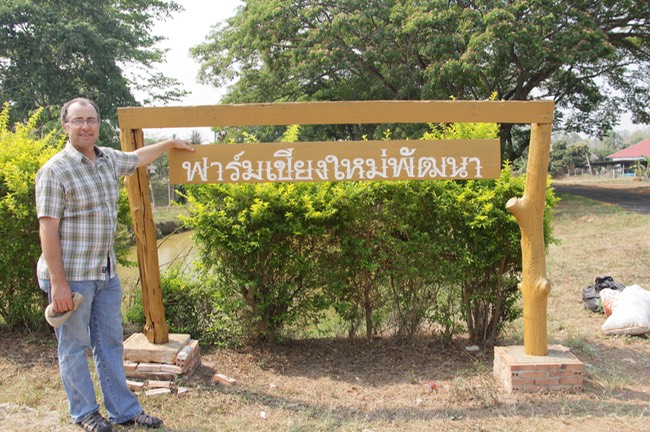
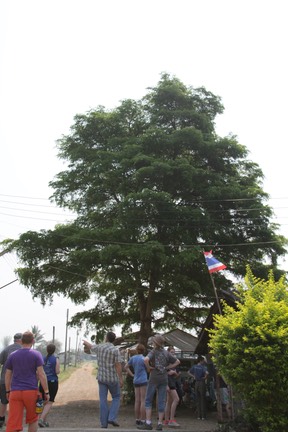
Randy with the farm sign “Chiang Mai Development Farm". On the right is the tree he planted 18 years ago when the farm was started.
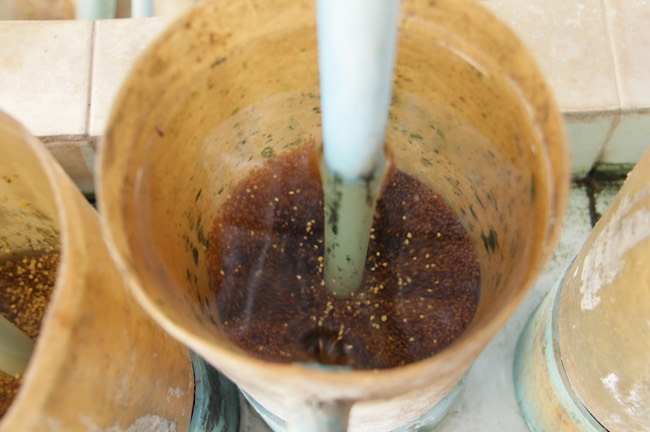
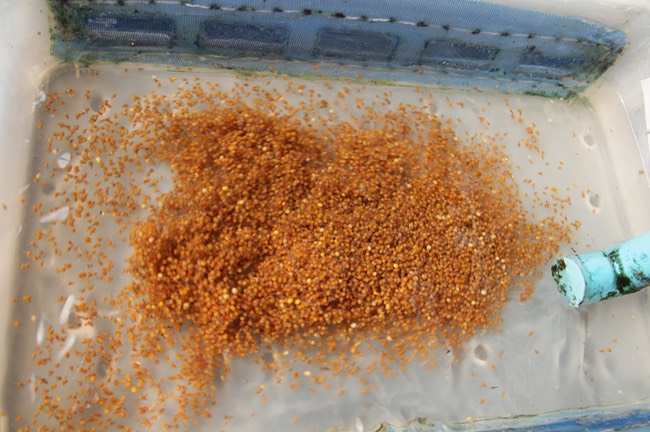
One advantage of tilapia is that the mothers breed every month and the eggs are held in the mother’s mouth. That makes them easier to harvest. After the eggs are harvested from the mother’s mouth, they are put in the hatching cylinders. After they have hatched they are put in the trays.
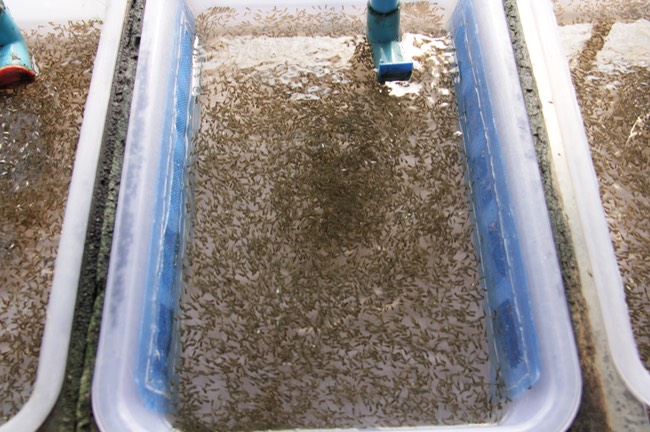
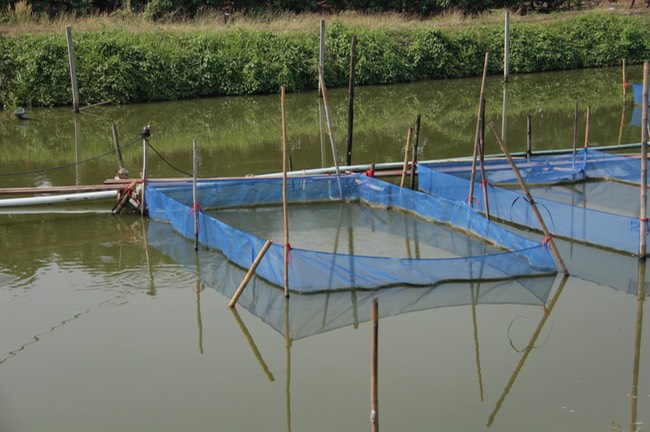
After they have consumed the egg sac, they are transferred to different trays. Finally they are transferred into the nets on the right picture. There are bout 30,000 fish in each net. The day we were there, they expected to stock 390,000 fish into nets. They are fed 5 times a day with a very high protein diet. They spend about 21 days in these nets and then are moved to a bigger net for about 7 days before being sold.
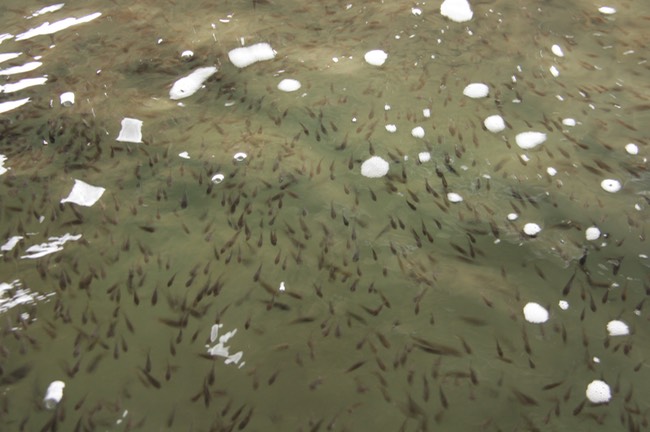
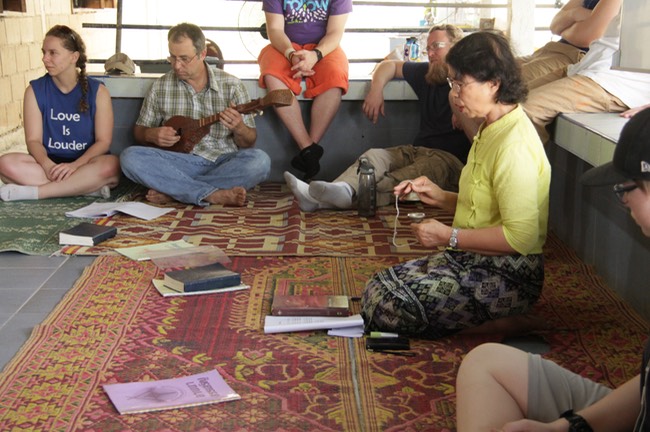
These fish are ready for sale and are one month old and cost $0.01 per fingerling. After the tour, we joined the Thai employees for a devotional.
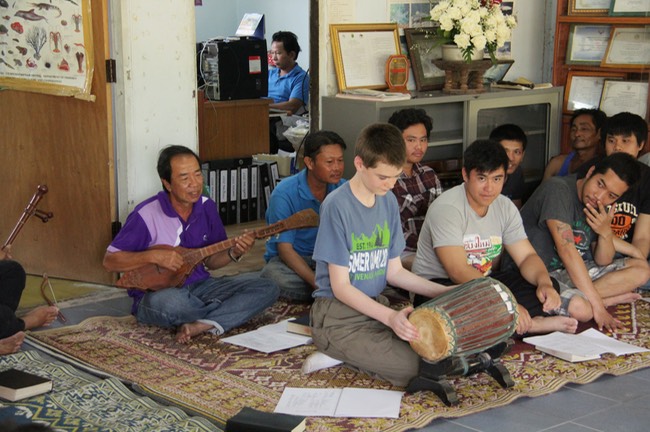
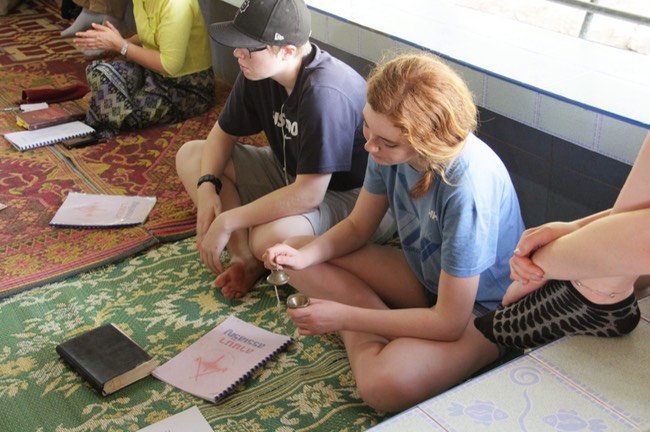
Some of our people sat in with the musicians on one song. Randy played a guitar like instrument; Anders played the drum; Brie played a symbol/bell like instrument.
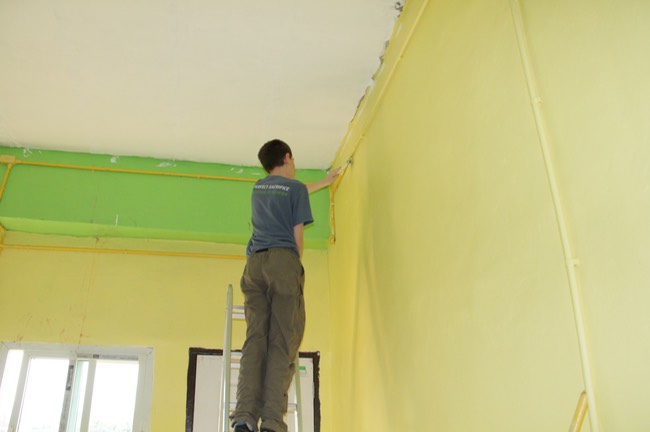
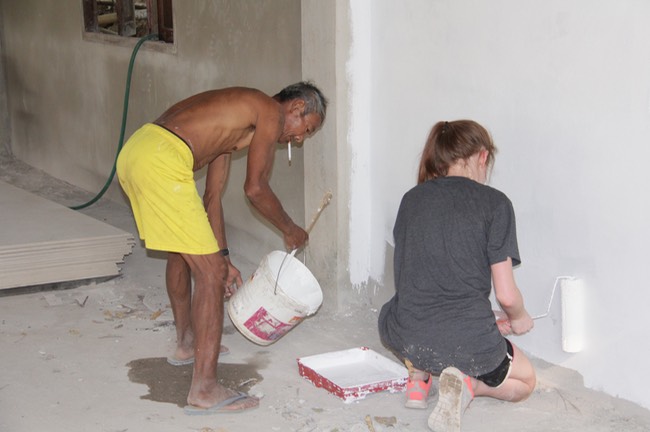
After lunch at the fish farm, we headed back to work. The office was painted and we started priming the concrete wall on the side of the main area. The man in the yellow shorts is the night watchmen and general all around helper. He pitched in with tasks where he could.

And of course, after you paint, you have to clean up.